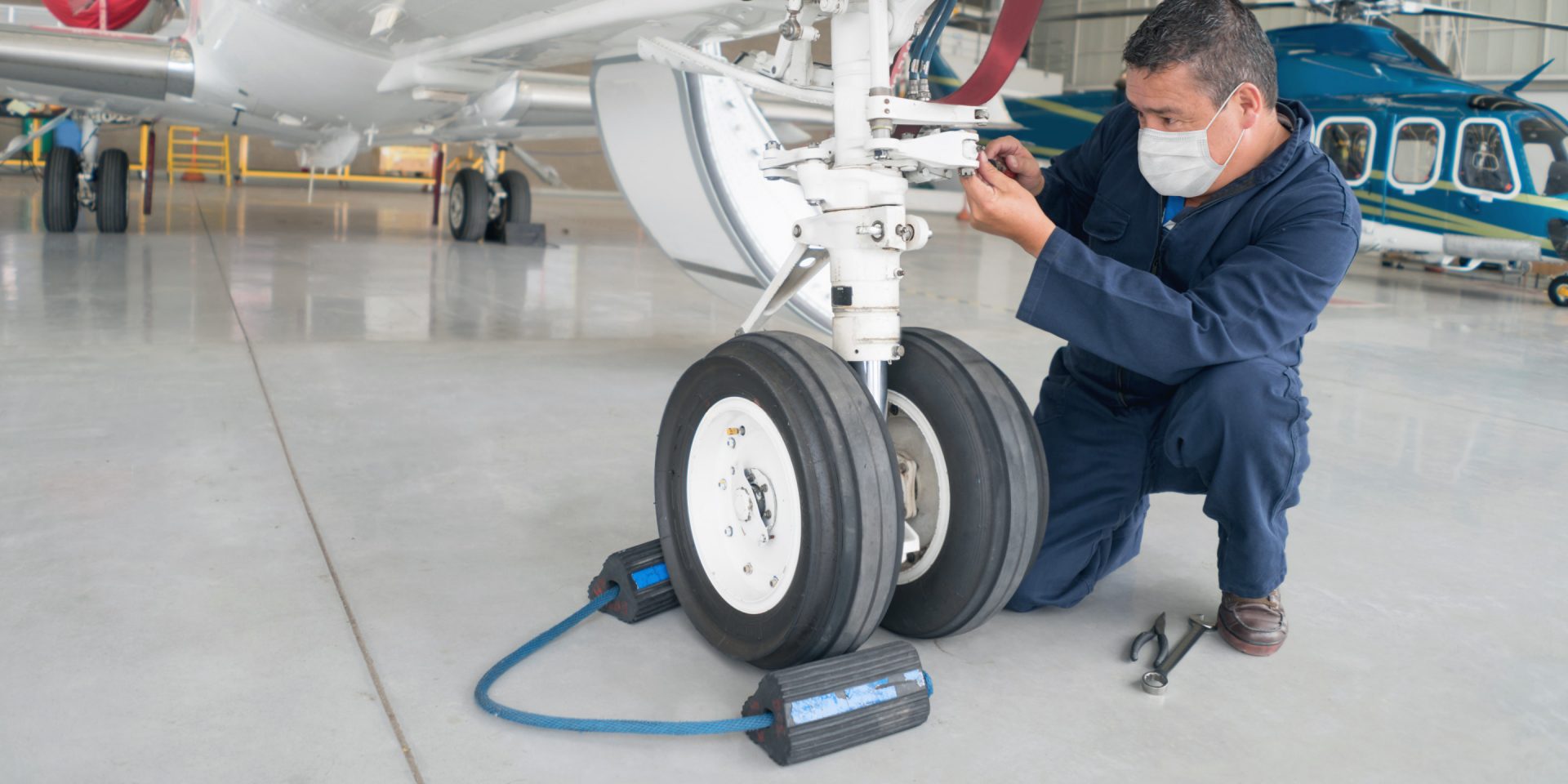
Pre-Delivery Inspection Oversight
Whether new or pre-owned, it is imperative to conduct a thorough inspection of the aircraft before closing. While the processes differ, the goal is the same: to confirm the aircraft is satisfactory and meets the conditions within the purchase agreement. And whether you are buying or selling, VanAllen can help you navigate this complex process.
Benefits of Pre-Purchase Inspection
- Gives you the opportunity to determine the actual status of the aircraft to make a more informed decision.
- Helps ensure your safety by assessing the airworthiness of the aircraft and identifying any issues that might compromise safety or integrity.
- If issues are flagged, you and your team might choose to negotiate an adjustment to the purchase price, ask for more favorable terms, or cancel the transaction.
- Repairs can take considerable time, so identifying and addressing existing or potential issues prior to purchase gives you a better idea of a timeline for use after purchase.

Pre-Owned Aircraft Inspection
Whether buying or selling a pre-owned aircraft, a pre-buy inspection is a critical step in the process. VanAllen’s oversight of this process ensures the mitigation of risks is handled in a fair and appropriate fashion. VanAllen acts as your advocate offering the experience to translate the spirit of the transaction.
Having VanAllen as your representative in this critical step will:
- Ensure the work-scope and discrepancies are managed appropriately
- Keep the transaction moving ahead on schedule
- Enable your Aviation Team to focus on operational preparedness
New Aircraft Inspection
A commonly overlooked aspect when acquiring a new aircraft are the potential complications that go along with completion and delivery. VanAllen will supplement your Aviation Team by providing expert input during these crucial phases of aircraft completion and delivery.
Support includes, but is not limited to:
- General Planning
- Completion Initiation
- Paint Inspection
- Interior Fit & Finish
- Acceptance

Aircraft Pre-Purchase Inspection Process
Preliminary Inspection
A qualified mechanic performs an initial review of the aircraft and its records to identify potential concerns such as missing documentation, damage, corrosion, or maintenance issues.
Work Scope
If the aircraft passes the initial review, the buyer’s representative selects an independent maintenance facility and defines a customized scope for the pre-purchase inspection.
Arrival Inspection
Once the aircraft arrives at the maintenance service facility, technicians evaluate key systems, including engines and avionics, to confirm the aircraft is ready for a test flight and further inspection.
Detailed Inspection
After the test flight, the aircraft undergoes a comprehensive hangar inspection, including component disassembly, system checks, and functional testing.
Documentation Review
Maintenance logs, inspection history, repairs, and modification records are reviewed to confirm completeness and regulatory compliance.
Final Report
The maintenance facility delivers a detailed report outlining discrepancies or required repairs, allowing the buyer to proceed, renegotiate, or withdraw from the purchase.
For a full breakdown on the aircraft pre-purchase inspection, including tips for asking the right questions, see our detailed blog post: Everything You Need to Know About Aircraft Pre-Purchase Inspections.
FAQs
-
When is an aircraft pre-purchase inspection necessary?
Purchasing private aircraft is a major investment, so it’s in your best interest to request a pre-purchase inspection as part of any acquisition — even if the aircraft in question is marketed as being in perfect working order. Though they add time and expense to transactions, pre-purchase inspections are the perfect venue to raise questions and surface information in order to make a successful purchasing decision.
-
What does a prospective buyer need to do to initiate a pre-purchase inspection?
To initiate a pre-purchase inspection, a buyer should include a Letter of Intent within their Aircraft Purchase Agreement announcing their intention to perform an inspection. If you wish to conduct a pre-purchase inspection, an experienced aviation attorney can help you identify critical definitions and allowances to include in your Letter of Intent.
-
Who is responsible for paying for a pre-purchase inspection?
It is normally the buyer’s responsibility to cover any costs associated with organizing and having a pre-purchase inspection performed; this includes the cost of positioning the aircraft at the buyer’s preferred inspection facility. The seller is typically responsible for covering the cost of repairs for discrepancies that the inspection may reveal.
-
Should a pre-purchase inspection include a test flight?
Yes. The seller and the buyer must negotiate whether the flight (or flights, as may be the case) will occur before or after the inspection, or both, and how the test flight(s) will be funded. These terms should be clearly outlined in the Aircraft Purchase Agreement.
-
Is it necessary to perform a pre-purchase inspection on a relatively new aircraft?
It’s advisable to perform a pre-purchase inspection on all aircraft, regardless of age, as there could still be modifications made or damage to the aircraft. However, given that they have less history to review, it’s generally easier to determine the condition of a relatively new aircraft, reducing the overall scope of your pre-purchase inspection.
For more information on these services, please contact a member of the VanAllen team.


Clients Served
Projects Completed
For business aviation concerns/issues/consulting, these are the guys to go to. Very knowledgeable. professional, dedicated, and practical. We have been doing business with them for many years. Always prompt and professional. Highly recommend.”